Most water heater trouble can wait for a scheduled visit. A few situations cannot, and telling them apart protects both your home and your family. A tank that has split along a seam does not stop after emptying its own 40 or 50 gallons, because the cold supply keeps refilling it, so an unattended leak can send hundreds of gallons through flooring, drywall, and the rooms below. A temperature and pressure relief valve that keeps discharging is telling you that pressure or heat inside the tank has gone past its safe limit. Water coming out of the taps hot enough to scald usually points to a thermostat or gas control that has failed in the wrong direction. And any smell of gas near the heater is a safety event first and a repair second. In Hillsboro, OR, these are the calls we treat as true emergencies.
Here is the order that keeps people safe. Gas comes first. If there is any smell of gas, get everyone out, leave light switches and outlets alone, and call the gas utility or 911 once you are outside; a water heater repair can wait until they clear the area. Next, the water. Turn the cold-water valve above the heater clockwise until it stops, or close the home's main shutoff if that valve will not budge. Then the heat source. Set a gas control to OFF, or kill the breaker on an electric model, but only if you can reach the panel without standing in water. A relief valve that is releasing water should never be capped or plugged. With the heater isolated, call (503) 210-1622 and we can talk through what you are seeing.
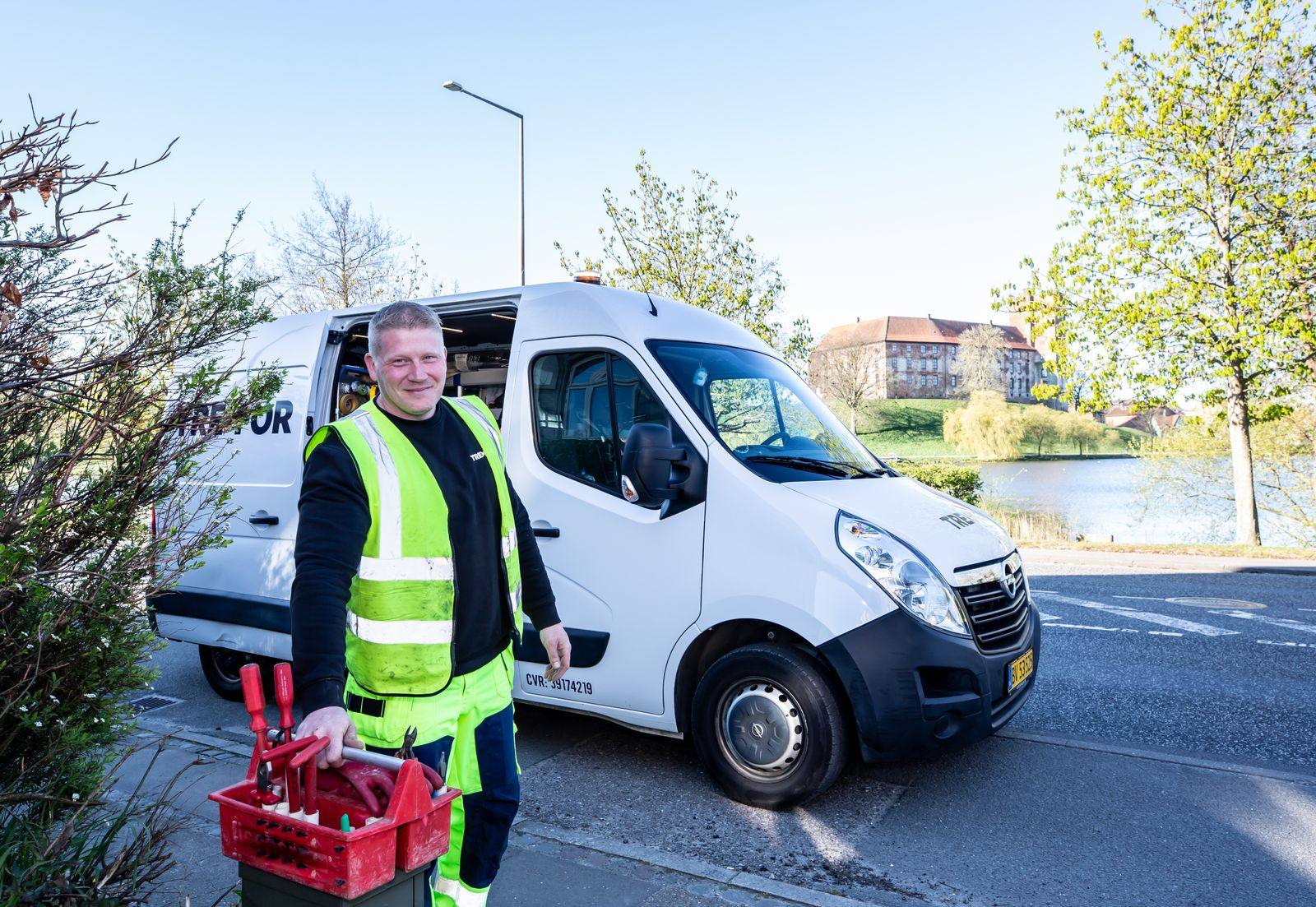
Our part of the job begins the moment you call (503) 210-1622. Our team walks you through isolating the heater, confirms the leak has actually stopped, and gives you a realistic window for a technician rather than a number that sounds good. On site, we make everything safe first: water, gas or power, and venting. Then we diagnose. A failed relief valve, a leaking drain valve, a corroded supply fitting, or a burned-out element can usually be replaced the same visit because those parts ride on the truck. If the tank has rusted through, no repair will hold, and you will hear that from us directly before walking through replacement choices. Families throughout Hillsboro call us for exactly these moments.
Most of our service calls are for Water Heater Repair in Hillsboro. Start there if you're not sure what you need.
Symptoms That Mean It's Time to Call
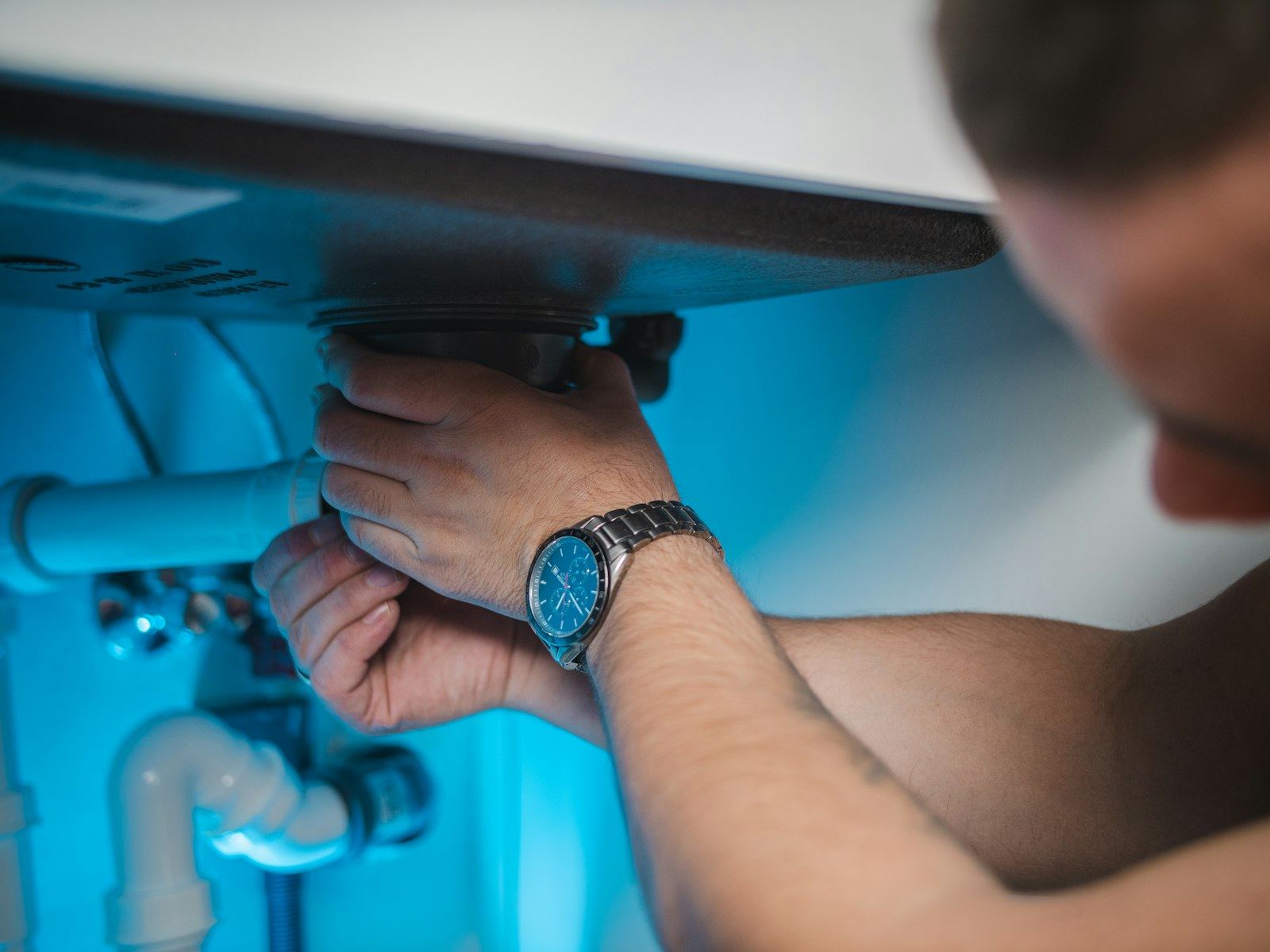
Most tanks announce trouble weeks or months ahead with rumbling noises, rusty water, or hot showers that keep getting shorter. Here are the most common indicators that it's time to call a professional:
- Water at the tap that is suddenly scalding hot
- Water or steam coming from the temperature and pressure relief valve or its discharge pipe
- Standing water around the water heater that returns after you wipe it up
- An electric water heater that keeps tripping its circuit breaker
- A complete loss of hot water throughout the house
- The smell of gas near the unit, a situation that calls for evacuating and phoning the utility or 911
- Violent rumbling or banging from the heater as it runs
- Scorch marks, soot, or flames rolling out near the burner access on a gas unit
Act Before It Gets Worse
Left alone, even minor symptoms like rumbling or temperatures that swing from hot to warm tend to mean the heater is working its way toward a breakdown. A quick call to (503) 210-1622 gets a technician out to check it before it becomes an emergency.
No Hot Water? We Can Help.
Call Hillsboro Water Heater for fast, reliable service.
Get Help: (503) 210-1622Your Emergency Water Heater Repair Questions Answered
The Benefits of Professional Emergency Water Heater Repair
The risks in a water heater emergency are easy to underestimate. In reality, you may be dealing with standing water beside 240-volt wiring, a gas supply and open burner a few inches from a puddle, and a tank of very hot water under pressure. The relief valve, if it is firing, is the final line of defense between an overheated tank and a violent failure, and plugging it is one of the most dangerous things anyone can do to a heater. Relighting a pilot while gas lingers, or forcing a rusted connection, can make things much worse. Evacuate for gas, isolate, then phone is the right sequence for anyone without the tools and training.
Why call a technician instead of improvising? Certainty and safe sequencing. We verify the shutoffs, check for gas leaks with proper tools, and confirm the area is safe for electrical work. Then we find the root cause. A discharging relief valve often means high street pressure or no room for thermal expansion; a puddle might be a drain valve, a dielectric fitting, condensation, or a failed tank; a cold house may trace back to a thermocouple, an element, or a tripped high-limit switch. No two of those share a fix. We repair what can honestly be repaired, and when the tank is the problem, we explain your replacement options without pressure.
From Your Call to Hot Water
Every visit follows a step-by-step method built around testing first and replacing parts only when the readings call for it. Here's exactly how a typical visit unfolds:
Make It Safe by Phone
We start on the phone: confirm there is no gas odor, help you close the cold supply and turn off gas or power, and talk through what to move out of the water's path.
Secure the Area
We send a technician with a stocked truck and give you a realistic time frame. The first job on arrival is confirming the heater is isolated and the area is safe to work in.
Find the Failure, Fix It
The source gets pinpointed before any part is replaced. Relief valves, drain valves, connectors, thermocouples, and elements travel with us, so most fixes happen during the first trip.
Safe Restart
Restarting correctly matters. We fill the tank before power or gas returns, check fittings and the relief valve for leaks, verify draft on gas units, and leave the thermostat near 120F.
Repair or Replace? Let's Figure It Out.
Tell us the age, fuel type, and symptoms, and we'll help you sort out the next step.
Call (503) 210-1622 TodayHow to Prevent Water Heater Problems
A few preventive steps can help you avoid a cold shower or a wet floor down the road. Put these technician-approved steps to work at home:
- Set the temperature around 120F, which protects against burns and slows tank wear
- Check the temperature and pressure relief valve each year so you know it will work when it matters
- A simple water sensor on the floor beside the tank can warn you hours earlier
- Tag the water heater supply valve and the main shutoff so nobody has to search during a leak
- Drain a few gallons or flush the tank annually to keep sediment from cooking the tank floor
- Store chemicals and flammables far from the burner, and keep the area around the heater uncluttered
- Ask about a drain pan and drain line, especially for heaters in attics, closets, or above finished rooms
DIY vs. Professional Emergency Water Heater Repair
The line between a safe DIY check and a risky repair is usually the moment you need to open a gas fitting, a vent connection, or an electrical cover. Here's how the two approaches stack up:
| Consideration | DIY Attempt | Professional Service |
|---|---|---|
| Gas Odor | Lingering near a possible leak | Leak detector and soap test after the area is cleared |
| Stopping the Leak | Unsure which valve to close | Supply isolated fast, stuck valves handled safely |
| T&P Discharge | Discharge silenced without finding the cause | Pressure and expansion checked, valve replaced if worn |
| Electrical Hazard | Live wiring close to a flooded area | Circuit verified dead before any work |
| Finding the Cause | Guessing between valve, fitting, and tank | Tested, not guessed |
| Result | Fix that may not hold overnight | Hot water back and connections proven dry |
Talk to Our Emergency Water Heater Repair Team
Get your hot water back before a small fault turns into a flooded floor. Hillsboro Water Heater is ready to respond fast.
Call (503) 210-1622 NowCommunities We Cover
We serve Hillsboro and its neighboring towns for emergency water heater repair, from quick same-day repairs to planned installs.